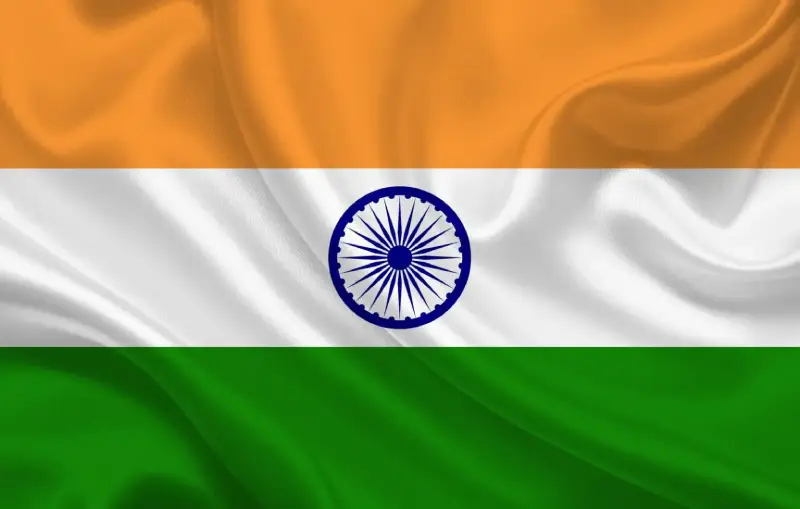
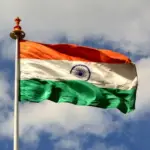
The Indian flag’s journey started long before the country gained its freedom. The idea developed through a number of designs that symbolized the goals and unity of the Indian liberation movement. Pingali Venkayya created the final version, which was formally accepted on August 15, 1947, soon before independence.
Tirangaanetwork: A Symbol of Unity and Patriotism
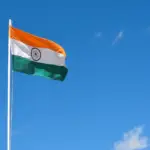
India’s national flag, the Tiranga, is a proud symbol of freedom, identity, and solidarity. Adopted on 22 July 1947, it reflects the country’s values and the sacrifices made by countless freedom fighters. India’s democratic spirit and diversity are symbolized by the tricolor.
In perfect harmony, the three colors—green for prosperity, white for peace, and saffron for courage—combine. Truth, advancement, and righteousness are represented by the navy-blue Ashoka Chakra in the center.
More than just a flag, the Tiranga represents India’s unity, democracy, and integrity. It encourages all Indians to support the principles of equality, peace, and development. The Tiranga proudly waves across the nation on national holidays like Independence Day and Republic Day, serving as a reminder of our amazing journey.
Disclaimer: This website provides general information about the Tiranga gaming platform and redirects users to the official Tiranga registration portal (bdginfo.com) For Account Sign-up and Login. We do not collect or store any login credentials or personal data on this website.